Monday, April 11, 2016

Correct the error or remain silent?

بسم الله والحمد لله والصلاة والسلام على رسول الله ، وبعد

What we are supposed to do:
Take the good and CORRECT the bad
- a principle which is based on the Qur’aan AND the Sunnah; a principle for which Allaah تعالى revealed the Books and sent His Messengers عليهم الصلاة والسلام. Rather, it is a principle on which depends our salvation as Allaah تعالى mentioned in Surah al-`Asr.

But what they want us to do:
Take the good and leave* the bad
- a principle for which there is no evidence in the Qur’aan OR the Sunnah, unless one twists the Aayaat and Ahaadeeth to support his desires (like how they misquote the Hadeeth of Abu Hurairah and his encounter with the Shaitaan).

* By “leaving”, these people mean: “to remain silent” when one sees an error or an evil.

Sunday, April 10, 2016

"Drinking water out of a dirty cup"

بسم الله والحمد لله والصلاة والسلام على رسول الله ، وبعد

An example of when the people give importance to the matters of the Dunya over the matters of the `Aakhirah:

When someone says:

“Take what is good and leave the evil” in a person,

It actually means:

“You can drink water out of a dirty cup.”

Oh, so all of a sudden we don’t want to drink water from a cup having some filth in it, but we can take `Aqeedah from a person who is himself confused or not clear in his `Aqeedah and Manhaj?

We are afraid of what will harm the body but not of what will harm the soul!

Moreover, how do we expect our brothers and sisters to differentiate between right and wrong, when they have just started learning their Deen? Even SOME of those who have read major books of `Aqeedah sometimes get confused about an issue, so how about those who have just started, when they have not even read the basic books like Kitaab al-Tawheed, Saheeh al-Bukhaaree and others? Do we want them to have a shaky foundation and confused `Aqeedah?

Note: as for the Hadeeth about Aayat al-Kursi, that whoever recites it before going to sleep, then an Angel will come for his protection; we do not take it because Shaitaan said so. Rather, we only accept it because the Prophet صلى الله عليه وسلم affirmed it.

﴿قُلْ هَـٰذِهِ سَبِيلِي أَدْعُو إِلَى اللَّـهِ ۚ عَلَىٰ بَصِيرَةٍ أَنَا وَمَنِ اتَّبَعَنِي ۖ وَسُبْحَانَ اللَّـهِ وَمَا أَنَا مِنَ الْمُشْرِكِينَ﴾


{Say (O Muhammad): “This is my way; I invite unto Allaah with sure knowledge, I and whosoever follows me (also must invite others to Allaah i.e. to the Oneness of Allaah - Islaamic Monotheism) with sure knowledge. And Glorified and Exalted be Allaah (above all that they associate as partners with Him). And I am not of the Mushrikoon.”} [Surah Yusuf (12): 108]

Friday, April 1, 2016

Look at who you accompany

 بسم الله والحمد لله والصلاة والسلام على رسول الله ، وبعد

A person can never be safe when he accompanies the innovators, or the deviants, or the callers of misguidance. He will – directly or indirectly – be affected by their misguidance. It is like accompanying a blacksmith at his shop. Even if you are safe from the sparks from the furnace, the smoke from the furnace and the unpleasant smell coming thereof and that of the blacksmith will definitely get to you.

Narrated Abu Moosaa رضي الله عنه: Allaah's Messenger صلى الله عليه وسلم said: “The example of a good companion (who sits with you) in comparison with a bad one, is like that of the musk seller and the blacksmith's bellows (or furnace); from the first you would either buy musk or enjoy its good smell while the bellows would either burn you or your clothes, or you get a bad nasty smell thereof.”
[Saheeh al-Bukhaaree and Saheeh Muslim]

Monday, March 28, 2016

When bad thoughts come to you about Allaah!

بسم الله والحمد لله والصلاة والسلام على رسول الله ، وبعد

If ever such statements come to your mind, or you hear people saying this: “Allaah can’t do a thousand things”, or any other statements which harbors bad thoughts about Allaah or attributes weakness to Him, then:

1) Seek Allaah’s refuge from such thoughts or statements by saying:
أعوذ بالله من الشيطان الرجيم

Tuesday, March 22, 2016

Manhaj in Da`wah which many "Celebrity" speakers have deserted

بـسـم الله والحـمـد لله والـصلاة والـسـلام عــلى رسـول الله، وبـعـد

All thanks to these "Celebrity" speakers: 
1) the call towards Tawheed is declining; 
2) many people are losing interest in the topics related to `Aqeedah and Tawheed or they are misled into believing that they already know enough and that what they know is sufficient; 
3) and the  scholars are being belittled and their honor are being attacked.

Therefore the following is a summarized reminder on the importance of calling towards Tawheed and warning against Shirk; calling towards Sunnah and warning against Bid`ah; and sticking with the scholars and not the "celebrity" speakers. 


PART 1
Don't be deceived by those who call only towards "good manners" with the creation while ignoring the rights of the Creator:

Allaah تعالى said:

﴿قَدْ نَعْلَمُ إِنَّهُ لَيَحْزُنُكَ الَّذِي يَقُولُونَ ۖ فَإِنَّهُمْ لَا يُكَذِّبُونَكَ وَلَـٰكِنَّ الظَّالِمِينَ بِآيَاتِ اللَّـهِ يَجْحَدُونَ﴾

{We know indeed the grief which their words cause you (O Muhammad); IT IS NOT YOU THAT THEY DENY, but it is the Verses (the Qur'aan) of Allaah that the Dhaalimoon (polytheists and wrong-doers) deny.} [Surah al-An`aam (6): 33]


The Prophet صلى الله عليه وسلم was called al-Ameen (the honest one) by the Muskriks even before he received any revelation and they still used to call him al-Ameen even after they had rejected his call. They never had the problem with the personality.

So, the first and foremost thing we have to understand is that the Mushriks never stopped the Prophet صلى الله عليه وسلم from calling towards good manners, or doing good to the neighbors, or feeding the poor and taking care of the widows and orphans; but it was the `Aqeedah and the call to Tawheed that they were against. 

The Aayah which uproots the Shirk from its foundation

بسم الله والحمد لله والصلاة والسلام على رسول الله ، وبعد

Allaah تعالى says:

{قُلِ ادْعُوا الَّذِينَ زَعَمْتُمْ مِنْ دُونِ اللَّهِ لَا يَمْلِكُونَ مِثْقَالَ ذَرَّةٍ فِي السَّمَاوَاتِ وَلَا فِي الْأَرْضِ وَمَا لَهُمْ فِيهِمَا مِنْ شِرْكٍ وَمَا لَهُ مِنْهُمْ مِنْ ظَهِيرٍ * وَلَا تَنْفَعُ الشَّفَاعَةُ عِنْدَهُ إِلَّا لِمَنْ أَذِنَ لَهُ}

{Say (O Muhammad to those polytheists, pagans, etc.): “Invoke those whom you assert (to be associate gods) besides Allaah, they possess not even the weight of an atom, either in the heavens or on the earth, nor have they any share therein, nor there is for Him any supporter from among them. And intercession does not benefit with Him except for one whom He permits…}

[Surah al-Saba’ (34): 22-23]


Ibn al-Qayyim رحمه الله commented on the above Aayah:

A Mushrik (polytheist) takes as his god a thing that he believes will benefit him. But no one can provide benefit except for the one who possesses one of these four characteristics:

Saturday, March 5, 2016

One of the sign of arrogance in today’s youths

 بسم الله والحمد لله والصلاة والسلام على رسول الله ، وبعد

It is narrated on the authority of Abdullaah Ibn Mas`ood that the Messenger of Allaah said:
He who has in his heart the weight of a mustard seed of pride shall not enter Paradise.A person (amongst his hearers) said: Verily a person loves that his dress should be fine, and his shoes should be fine. He صلى الله عليه وسلم said: Verily, Allaah is Graceful and He loves Grace. Pride is refusing the truth (out of self-esteem), and belittling the people.
[Saheeh Muslim (164)]

***

Many of today’s youth, when confronted with the truth, so confidently say: “Leave us alone! Allaah will judge us.”

Indeed Allaah will judge us all. But they intend evil with the statement of truth!

***

Whoever has read the long Ahaadeeth on intercession will know that even the Prophets and Messengers will be in a state of awe on the Day of Judgment. No one will be able to speak except the Messengers and they will be saying: “O Allaah save us! O Allaah save us!” [Saheehain]

***

Furthermore, also look at the statements of Mother of the Believers, the Siddeeqah bint Siddeeq (the truthful, the daughter of the truthful), the beloved of the Prophet صلى الله عليه وسلم, `Aaishah رضي الله عنها:

#1
Ibraaheem al-Nakha`I said: `Aaishah once passed by a tree and she said: How much I wished that I was one of the leaves of this tree. [Siyar A`laam al-Nubalaa’ (3/459) and Tabaqaat al-Kubraa of Ibn Sa`d (10951)]


#2
Narrated Ibn Abu Mulaika: Ibn `Abbaas asked permission to visit `Aaishah before her death, and at that time she was in a state of agony. She then said. "I am afraid that he will praise me too much." And then it was said to her, "He is the cousin of Allaah's Apostle and one of the prominent Muslims." Then she said, "Allow him to enter." (When he entered) he said, "How are you?" She replied, "I am alright if I fear (Allaah)." Ibn `Abbaas said, "Allaah willing, you are alright as you are the wife of Allaah's Apostle and he did not marry any virgin except you and proof of your innocence was revealed from the Heaven." Later on Ibn Az-Zubair entered after him and 'Aisha said to him, Ibn `Abbaas came to me and praised me greatly, but I wish that I was a thing forgotten and out of sight. [Saheeh al-Bukhaaree (4753)]


Importance of Disassociating from Shirk and its people

بسم الله والحمد لله والصلاة والسلام على رسول الله ، وبعد

Introduction:

Many people, both in the east and the west, have been affected by the deviant methodology of al-Ikhwaan al-Muslimoon, namely: “To cooperate in which they agree and to remain silent in which they disagree or differ.”

This deviant methodology is for the sole purpose of achieving political aims, even if it means to do away with the core principles of Islaam:
1. To enjoin what is good and forbid what is evil.
2. To love for the sake of Allaah and to hate for the sake of Allaah.

One such individual who has been heavily affected with this ideology is none other than Yasir Qadhi, who will go any distance and use every opportunity to universally unite the Sunnis with the Raafidhee Shia`s.

Friday, February 26, 2016

The benefits of falling into a sin for a sincere believer!

بسم الله والحمد لله والصلاة والسلام على رسول الله ، وبعد

The purpose of this article is not to encourage sins, but rather to encourage repentance. Every son of Aadam will eventually commit a sin or fall into error, as no one is perfect as has been mentioned numerous times in the Ahaadeeth:

Anas رضي الله عنه narrated that the Messenger of Allaah صلى الله عليه وسلم said:

“Every son of Aadam commits sin, and the best of those who commit sin are those who repent.”

[Sunan al-Tirmidhee (2499) and Sunan Ibn Maajah (4251) and graded as “Hasan” by Shaikh al-Albaanee]

Monday, February 22, 2016

Importance of having the correct Imaan, `Aqeedah and Manhaj before learning the Qur’aan


بسم الله والحمد لله والصلاة والسلام على رسول الله ، وبعد

The Messenger of Allaah صلى الله عليه وسلم said:

قَوْمًا يَقْرَءُونَ القُرْآنَ لاَ يُجَاوِزُ حَنَاجِرَهُمْ

“…there will be some people who would recite the Qur’aan but the Qur’aan will not reach beyond their throats (i.e. they will recite like parrots and will not understand it nor act on it).”
[Saheeh al-Bukhaaree (3344, 3610, 5058, 6931, 6934, 7432, 7562) and Saheeh Muslim (1791, 2316, 2318, 2323, 2328, 2335, 2336)]

Saturday, February 13, 2016

Brief Comments on Riyaadh al-Saaliheen #97

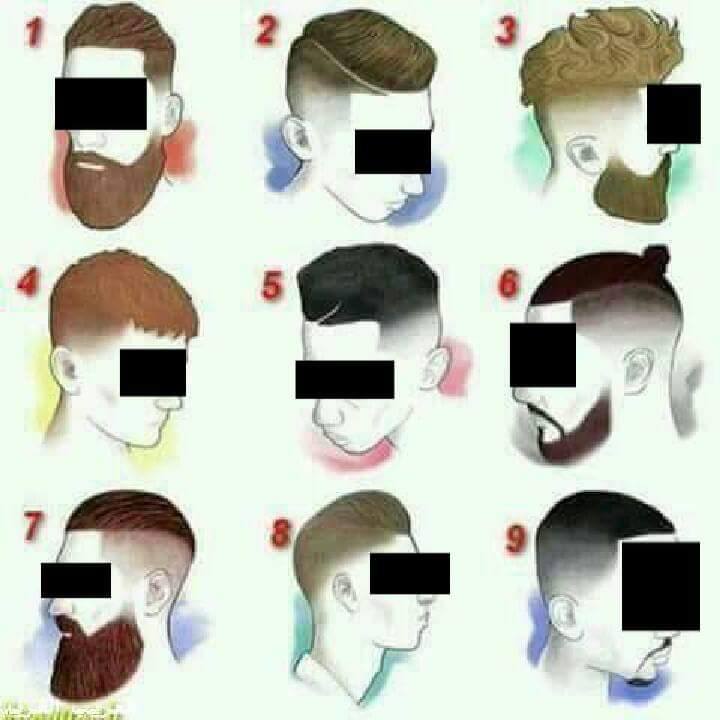
It is disliked to shave only a part of the head

Shaikh Ibn al-`Uthaymeen رحمه الله covers three points under this chapter:
1. The disapproval of shaving (or trimming) only a part of the head.
2. Letting the hair grow longer is not a Sunnah but only a part of the customs.
3. The impermissibility of shaving the head for the women and young girls. 


بسم الله والحمد لله والصلاة والسلام على رسول الله ، وبعد

Chapter: On disapproval of shaving a part of the head and permissibility of shaving the complete head for the man but not for the women

Friday, February 12, 2016

Men and women racing towards the goodness

بسم الله والحمد لله والصلاة والسلام على رسول الله ، وبعد

Shaikh Ibn al-`Uthaymeen رحمه الله said:

In these Ahaadeeth, there is evidence that the front rows (in the Masaajid) are more virtuous for the men than the last ones; and the last rows are better for the women than the first ones, because the last rows for the women are the furthest away from the men than the front rows. And the further a woman is away from the men, the better for her.

And based on this reasoning - and by the Will of Allaah it will be correct – if the women are in a special place (or in separate halls), like how it is found in many of todays’ Masaajid, we say: the best rows for the women are the first ones, and the worst rows are the last ones – like how it is for the men, as long as the women are separate from the men and there is a partition (or barrier) between them. This is because in the Sharee`ah it is loved that one races towards goodness, and this is also from it.


[Sharh Saheeh Muslim (2/205) of Shaikh Ibn al-`Uthaymeen]

Saturday, February 6, 2016

Avoid personal attacks even if what is being said is true!

بسم الله والحمد لله والصلاة والسلام على رسول الله ، وبعد

In a Hadeeth, the Prophet صلى الله عليه وسلم said:
Shall I tell you about the most evil ones from amongst you?
They (the Companions) said: “Of course.” He صلى الله عليه وسلم said:
Those who go around with Nameemah; they make enmity between friends and they seek problems for the innocent.

[Musnad of Imaam Ahmad and al-Bukhaaree in Al-Adab Al-Mufrad (323) and graded as “Hasan li ghairihee” (good due to corroborating chains) by Shaikh al-Albaanee]

Thursday, February 4, 2016

Difference between al-Dhunoob (sins) and al-Sayyi’aat (misdeeds):

بسم الله والحمد لله والصلاة والسلام على رسول الله ، وبعد

*Al-Dhunoob (sing. al-Dhanb)
**Al-Sayyi’aat (sing. al-Sayyi’ah)

Ibn al-Qayyim said:
“(In the Qur’aan), the word “al-Dhunoob” is used to describe: Major Sins; and “al-Sayyi’aat” is used to describe: Minor Sins.

If one were to contemplate over the Aayaat of the Qur’aan, one would see that the word “al-Maghfirah” (forgiveness) is associated with the word “al-Dhunoob”, and the word “al-Kaffaarah” (expiation/removal) is associated with the word “al-Sayyi’aat”.

Allaah تعالى mentions in the Qur’aan about the Du`aa of the righteous people:

رَبَّنَا فَاغْفِرْ لَنَا ذُنُوبَنَا وَكَفِّرْ عَنَّا سَيِّئَاتِنَا

{Our Lord, so forgive us our sins and remove from us our misdeeds…} [Surah aal-`Imraan (3): 193]

The word “al-Maghfirah” is more complete (and perfect) than the word “al-Kaffaarah” and that is why “al-Maghfirah” is mentioned along with “al-Dhunoob” and “al-Kaffaarah” is mentioned along with “al-Sayyi’aat”

The word “al-Maghfirah” includes (or guarantees) preservation and protection (of man from the punishment); and “al-Kaffaarah” includes (or guarantees) covering (of faults) and removal (of sins).

But when either word is mentioned on its own, the meaning of the other word is also included in it.

And the evidence that “al-Sayyi’aat” are Minor Sins is the saying of Allaah تعالى:

إن تَجْتَنِبُوا كَبَائِرَ مَا تُنْهَوْنَ عَنْهُ نُكَفِّرْ عَنكُمْ سَيِّئَاتِكُمْ

{If you avoid the major sins which you are forbidden, We will remove from you your lesser sins…} [Surah al-Nisaa’ (4): 31] 

[Abridged from Madaarj al-Saalikeen (1/317) of Ibn al-Qayyim]

Tafseer: {Cursing Time}

بسم الله والحمد لله والصلاة والسلام على رسول الله ، وبعد

In the Qur’aan, Allaah تعالى mentions:

وَقَالُوا مَا هِيَ إِلَّا حَيَاتُنَا الدُّنْيَا نَمُوتُ وَنَحْيَا وَمَا يُهْلِكُنَا إِلَّا الدَّهْرُ

{And they say: "There is nothing but our life of this world, we die and we live and nothing destroys us except al-Dahr* (the time).}
[Surah al-Jaathiyah (45): 24]

*The word al-Dahr means: “A long period of time”, “era”, “eon”, “epoch” etc.


Friday, January 29, 2016

Removing the Doubts: Increasing the area of washing during Wudhoo’

بسم الله والحمد لله والصلاة والسلام على رسول الله ، وبعد

Introduction:

This is a short clarification of the Ahaadeeth of Abu Hurairah رضي الله عنه regarding the statement: “whoever can increase the area of his radiance while making Wudhoo’ (ablution) should do so.” The clarification is from the statements of the scholars including Ibn Taymiyyah, Ibn al-Qayyim, Ibn Baaz, Ibn al-`Uthaymeen and al-Albaanee رحمهم الله. Their statements have been summarized, paraphrased and arranged in points for short reading and better understanding.


The Ahaadeeth:

The first narration: 

Tuesday, January 26, 2016

Bid`ah: the foundation of Kufr

بسم الله والحمد لله والصلاة والسلام على رسول الله ، وبعد

Shaikh al-Islaam Ibn Taymiyyah رحمه الله said:

BID`AH is the foundation of Kufr and its habitat (where it thrives); like how (following) the legislated SUNNAH is the manifestation of Imaan and a booster of Imaan – for Imaan increases with obedience and decreases with disobedience.

[Majmoo` al-Fataawa of Ibn Taymiyyah (10/565)]

Monday, January 25, 2016

Making Dhikr: The Sunnah way VS. the Sufee way

بسم الله والحمد لله والصلاة والسلام على رسول الله ، وبعد

In the Sunnah, it is prescribed to add a prefix or suffix to the name, “Allaah”, while making Dhikr (Allaah’s remembrance). Example: if one were to merely say "Muhammad", it does not give us any information on what is being discussed. But when one says: “Muhammad is the Messenger of Allaah”, here the sentence is complete and is full of meaning.

So similarly one says:

Saturday, January 23, 2016

Removing the Doubts: Hate the sin and not the sinner!

بسم الله والحمد لله والصلاة والسلام على رسول الله ، وبعد

One misconception which some people like to spread is:

“We should hate the sin (i.e. the action) and not the sinner (i.e. the one who does it).”
“We should hate the evil and not the evildoer.”
“We should hate the crime and not the criminal.”

Firstly, those who say the above have no evidence to support their claim. Moreover, if the above was true, then its opposite should also be true: 

Friday, January 15, 2016

The things a person should never give up

بسم الله والحمد لله والصلاة والسلام على رسول الله ، وبعد

Among the things a person should never voluntarily give up are:
1) his water for ablution (Wudhu).
2) his place in the first row.

۝۝۝

1) Water for ablution:
If two people are on a journey and only one person has water for ablution; then the one who has water should perform ablution and his companion should do Tayammum.

Shaikh Muhammad Ibn Saaleh al-`Uthaymeen رحمه الله said:
Giving precedence to others over yourself in those things which are obligatory is not allowed. Example: in regards to Tayammum, if a person only has enough water for himself with which to perform ablution and there is another person with him who needs water (for ablution as well), he is not to give the water to the other person, the other person should do Tayammum. Because this is giving precedence to others over yourself in those things which are obligatory, and giving such precedence to others over yourself is Haraam.
[Sharh al-Mumti` (5/100 and 15/40) and Sharh Riyaadh al-Saaliheen (3/416-417)]

۞۞۞

2) The place in the first row:
Narrated Abu Hurairah: Allaah’s Messenger صلى الله عليه وسلم said:
If the people knew the reward for pronouncing the Adhaan (call for prayer) and for standing in the first row (in congregational prayers) and found no other way to get that except by drawing lots they would draw lots, and if they knew the reward of the Dhuhr prayer (in the early moments of its stated time) they would race for it (go early) and if they knew the reward of `Ishaa' and Fajr prayers in congregation, they would come to offer them even if they had to crawl.
[Saheehain]

۩ But unfortunately, people stand in rows with gaps in between them so much so that they can accommodate a few more people in the rows. Each person wants to have his own personal space, Ajeeb! Whereas the Companions used to stand shoulder to shoulder and foot to foot! And the Prophet صلى الله عليه وسلم had instructed his Companions to form rows like the angels – by first completing the first row and filling the gaps in the rows [as mentioned n Saheeh Muslim].

۝۝۝

As for the sister, then for them the last rows are the best, as the Prophet صلى الله عليه وسلم said:
The best rows for men are the first rows, and the worst ones the last ones, and the best rows for women are the last ones and the worst ones for them are the first ones.
[Saheeh Muslim]

Monday, January 4, 2016

Some Ahaadeeth on avoiding obscene words and foul language

بسم الله والحمد لله والصلاة والسلام على رسول الله ، وبعد

HADEETH #1
It is something which Allaah تعالى does not like:

In Saheeh Ibn Khuzaimah it is reported that the Prophet صلى الله عليه وسلم said to `Aaishah رضي الله عنها:

Allaah does not like obscene words or committing of obscenity.

[Saheeh Muslim (5387), Saheeh Ibn Khuzaimah (574), and graded as “Saheeh” by Shaikh al-Albaanee in al-Saheehah (691). Also in al-Adab al-Mufrad (487) from the Hadeeth of Abu Hurairah]

۝۝۝

HADEETH #2
It is something which the Prophet صلى الله عليه وسلم never said/did:

And in Saheeh al-Bukhaaree it is reported that the Prophet صلى الله عليه وسلم said to `Aaishah رضي الله عنها:

Have you ever seen me speaking bad or dirty language?

[Saheeh al-Bukhaaree (6032)]

۝۝۝

HADEETH #3
It is something which a true Believer avoids:

In Musnad of Imaam Ahmad it is reported from Ibn Mas`ood رضي الله عنه that the Messenger of Allaah صلى الله عليه وسلم said:

A true believer does not taunt or curse or abuse or talk vulgarly.

[Musnad of Imaam Ahmad (3839) and Sunan al-Tirmidhee (1977), Adab al-Mufrad (312, 332) and graded as “Saheeh” by Shaikh al-Albaanee in al-Saheehah (320) and also graded as “Saheeh” by Shaikh Muqbil in Saheeh al-Musnad (836, 853)]

۝۝۝

HADEETH #4
It is sign of hypocrisy:

In Saheehain it is reported from `Abdullaah bin `Amr رضي الله عنهما that the Prophet صلى الله عليه وسلم said:

Whoever has the following four (characteristics) will be a pure hypocrite and whoever has one of the following four characteristics will have one characteristic of hypocrisy unless and until he gives it up.

1) Whenever he is entrusted, he betrays.

2) Whenever he speaks, he tells a lie.

3) Whenever he makes a covenant, he proves treacherous.

4) Whenever he quarrels, he behaves in a very imprudent, evil and insulting manner.

[Saheeh al-Bukhaaree (34, 3178) and Saheeh Muslim (111)]

۝۝۝

HADEETH #5
Some of the categories of the inhabitants of Hell:

On the authority of `Iyaadh bin Himaar رضي الله عنه that the Prophet صلى الله عليه وسلم said:

The inmates of Hell are five:

1) The weak who lack power to (avoid evil). The (carefree) who pursue (everything irrespective of the fact that it is good or evil) and who do not have any care for their family or for their wealth.

2) And those dishonest, whose greed cannot be concealed even in the case of minor things.

3) Those who betray you morning and evening, in regard to your family and your property.

4) The miser and the liar.

5) And those who are in the habit of abusing people and using obscene and foul language.


[Saheeh Muslim (6853)]

Sunday, January 3, 2016

The similitude of the living and the dead

بسم الله والحمد لله والصلاة والسلام على رسول الله ، وبعد

Abu Moosaa Al-Ash`aree (May Allaah be pleased with him) reported that the Prophet said:

The similitude of one who remembers his Rabb and one who does not remember Him, is like that of the living and the dead.

[Saheeh al-Bukhaaree (6407) and the wordings are his and Saheeh Muslim (779)]

۝۝۝

Ibn al-Jawzee said:
The dead is not the one whose soul has left from the sides (of his body), rather the dead is the one who does not understand the rights of his Lord (upon him).
[التذكرة في الوعظ 1/18]